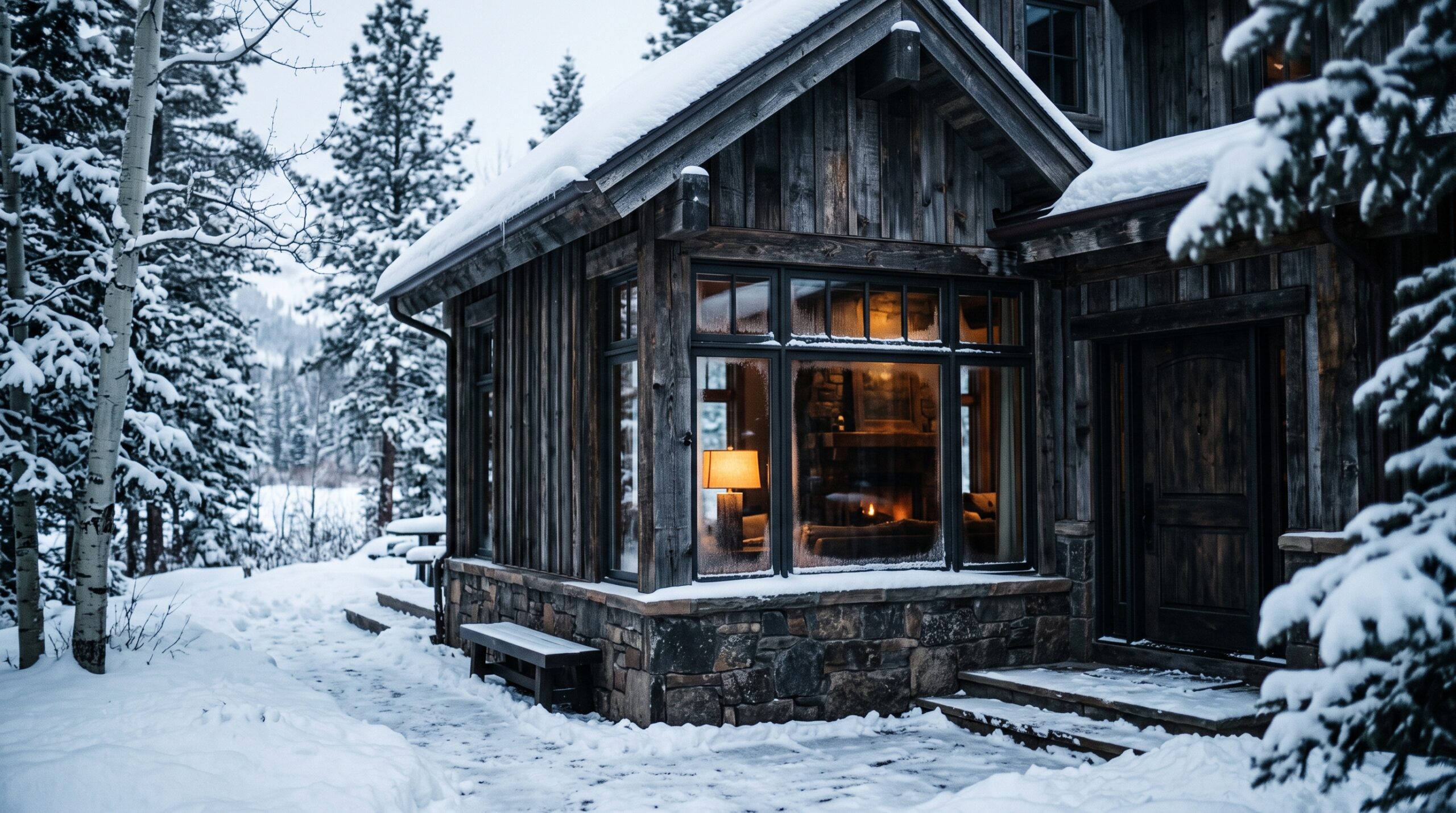
When a winter storm knocks out the power, your house stops fighting the cold the moment the furnace goes quiet. Heat leaks out, indoor temperatures fall, and the pipes in your walls and crawlspace start counting down toward freezing. The work you do before the outage is what decides whether you spend a few uncomfortable hours bundled up or come home to a burst pipe and a flooded floor. This guide walks through the prep that holds heat longer, keeps water moving, and gives you a safe way to stay warm.
Start with the pipes
Frozen pipes are the most expensive thing that can go wrong in a winter outage. Water expands as it freezes, and the pressure can split copper or PEX even where the ice has not formed. The pipes most at risk are the ones with the least heat around them: lines in unheated basements, crawlspaces, attics, garages, and any run along an exterior wall.
- Insulate exposed pipes. Foam pipe sleeves or wrap on lines in unheated spaces buy you time once the heat is off. The American Red Cross notes that even a layer of newspaper can offer some protection on hard-to-reach runs.
- Let faucets drip. When temperatures drop hard, open the faucets served by vulnerable pipes to a slow trickle. Moving water — even a drip — is far less likely to freeze than still water, per the Red Cross.
- Open cabinet doors. Kitchen and bathroom sink cabinets trap pipes in a cold pocket. Opening the doors lets whatever warm air you have left reach them.
- Keep the heat steady. If you still have power before the outage, the Red Cross recommends holding the thermostat at the same temperature day and night, and never letting the house drop below 55°F — even when you are away.
- Drain outdoor lines. Ready.gov advises shutting off and draining outdoor spigots and disconnecting and draining garden hoses before a freeze.
Know your main water shutoff
If a pipe does burst, the difference between a small leak and a ruined floor is how fast you can stop the water. Find your main shutoff valve now, not in the dark with water running. It is usually where the supply line enters the house — near the water meter, in a basement, crawlspace, or utility area. Make sure everyone in the household knows where it is and how to turn it (clockwise to close). Test it once so you know it actually moves; old valves can seize.
If you find a frozen pipe, keep the faucet open and warm the pipe gently with a hair dryer or towels soaked in hot water, starting near the faucet and working toward the cold section. Ready.gov warns to never use a torch or open flame to thaw a pipe. If a pipe has already burst, shut off the main valve and call a plumber.
Seal drafts and hold heat longer
Once the furnace stops, your house cools at whatever rate heat can escape. Tightening the envelope before winter slows that loss, so the rooms you are sheltering in stay livable for longer. The Department of Energy points to caulking and weatherstripping as two of the cheapest, fastest air-sealing fixes, often paying for themselves within a year.
- Weatherstrip doors and windows that leak air, and add a door sweep to exterior doors with a visible gap at the bottom.
- Caulk the hidden leaks where plumbing, wiring, and ducts pass through walls, floors, and ceilings — including the soffits above cabinets, a spot energy.gov specifically calls out.
- Check attic insulation. Attics and garages lose heat fast. Bringing attic insulation up to the recommended level keeps warmth in the living space below.
- Close off unused rooms during an outage and shut their doors so you are only trying to hold heat in one or two spaces.
- Cover windows at night. Heavy curtains or even blankets over windows cut the cold radiating in after dark; open south-facing curtains during the day to let in solar heat.
For a room-by-room walkthrough that goes beyond winter, see our guide on how to prepare your home for a power outage.
Plan a safe backup heat source
This is where winter prep gets dangerous if you cut corners. The single most important rule: never burn fuel for heat in an enclosed space. Carbon monoxide is odorless, colorless, and deadly, and it is produced by any fuel-burning device.
- Never use a gas oven, range, or stovetop to heat your home. USFA lists this as a clear don’t — it is a carbon monoxide and fire risk.
- Do not run portable kerosene or propane heaters indoors unless the unit is specifically rated and labeled for indoor use. Most outdoor “patio” and camp heaters emit CO and are not safe inside.
- Keep a generator outside, far from the house. Ready.gov says generators and fuel should always be used outdoors and at least 20 feet from windows, doors, and attached garages — never in a garage, even with the door open.
- Install working CO and smoke alarms on every level and test them. A battery-powered or battery-backup CO alarm keeps protecting you when the power is out.
Safer ways to stay warm during an outage are layering, sealing into one room, and using body heat and blankets. We cover the full approach in how to stay warm during a power outage, and the warning signs of poisoning in our carbon monoxide safety guide. If you do plan to run a generator, read it before you start the engine.
Keep power and devices ready
Cold weather drains batteries faster and you may lose power for longer than expected, so go into winter with everything topped off.
- Charge phones, power banks, and any portable power station when a storm is in the forecast, and keep them charged through the season.
- Keep batteries warm. Lithium batteries lose capacity in the cold; store a power station and spare batteries inside the heated part of the house, not the garage.
- Stock flashlights and lanterns with fresh batteries instead of candles, which are a fire risk. See our picks for emergency lighting.
- Have a plan for medical devices. If anyone relies on a CPAP, oxygen, or refrigerated medication, line up backup power before winter — start with backup power for home medical equipment.
Stock warm gear and outage supplies
Ready.gov advises gathering enough supplies to stay home for several days without power. For a winter outage, weight your kit toward warmth and self-sufficiency.
| Category | What to have on hand |
|---|---|
| Warmth | Wool blankets, sleeping bags rated for cold, hats, gloves, thermal layers, hand warmers |
| Light & power | Flashlights, headlamps, lanterns, spare batteries, charged power bank or power station |
| Water | One gallon per person per day, several days’ worth; fill containers before a storm |
| Food | No-cook, non-perishable food the household will actually eat, plus a manual can opener |
| Other | First-aid kit, medications, battery or hand-crank radio, CO alarm, phone backup |
For meals that need no electricity, see the best non-perishable foods for a power outage. Build the full kit from our emergency kit checklist.
Protect the rest of the home
A few spots cause outsized damage when the power and heat go down together.
- Sump pump backup. A mid-winter thaw or storm can flood a basement the moment the pump loses power. A battery backup or a power station sized for the pump keeps the pit from overflowing.
- Garage. Keep the garage door closed to hold heat near any plumbing on that wall, and know how to release and operate the door manually when the opener is dead.
- Outdoor faucets and irrigation. Drain them and shut off their interior valves before the first hard freeze.
- Water heater and appliances. If you expect a long outage, know how to shut off gas and water to major appliances.
Your winterizing checklist
Run through this once before winter, and again whenever a storm is in the forecast.
- Insulate exposed pipes in unheated spaces
- Locate and test the main water shutoff; teach the household
- Drain and shut off outdoor spigots; disconnect hoses
- Weatherstrip doors, caulk gaps, check attic insulation
- Confirm a safe backup heat plan — no oven, no indoor fuel heaters
- Test smoke and CO alarms; replace batteries
- Charge phones, power banks, and power station
- Stock blankets, warm layers, and hand warmers
- Store several days of water and no-cook food
- Set up sump pump backup power if you have a pit
- Confirm backup power for any medical devices
- Before a storm: faucets to a drip, cabinet doors open, thermostat steady
For storm-specific playbooks, see winter storm power outage prep and ice storm power outage prep.
Frequently asked questions
How cold does it have to be for pipes to freeze?
Pipes are at real risk when temperatures drop below about 20°F, but exposed pipes in unheated or drafty spaces can freeze sooner. The Red Cross recommends keeping your home no colder than 55°F to protect plumbing, even when you are away.
Should I really leave a faucet dripping all night?
During a hard freeze, yes. The Red Cross says letting the faucets served by exposed pipes run at a slow trickle helps prevent freezing, because moving water resists freezing better than still water. The small water cost is far less than a burst-pipe repair.
Can I use my gas stove or oven to heat the house during an outage?
No. USFA warns to never use an oven or stovetop to heat your home — it is both a fire hazard and a carbon monoxide risk. Stick to safe warmth: layers, blankets, and sealing into one room. Read our carbon monoxide safety guide before using any fuel-burning device.
Where is my main water shutoff valve?
It is usually where the main supply line enters the house — near the water meter, often in a basement, crawlspace, or utility room, or outside near the curb in warmer climates. Find and test it before winter so you can stop the water fast if a pipe bursts.
What is the safest backup heat for a winter outage?
The safest options produce no combustion indoors: warm layers, cold-rated sleeping bags, sealing into one well-insulated room, and sharing body heat. Any fuel-burning heater must be rated for indoor use and paired with a working CO alarm, and a generator must run outdoors at least 20 feet from the house. See how to stay warm during a power outage for the full approach.